

Honesty
The Art of Not Pretending

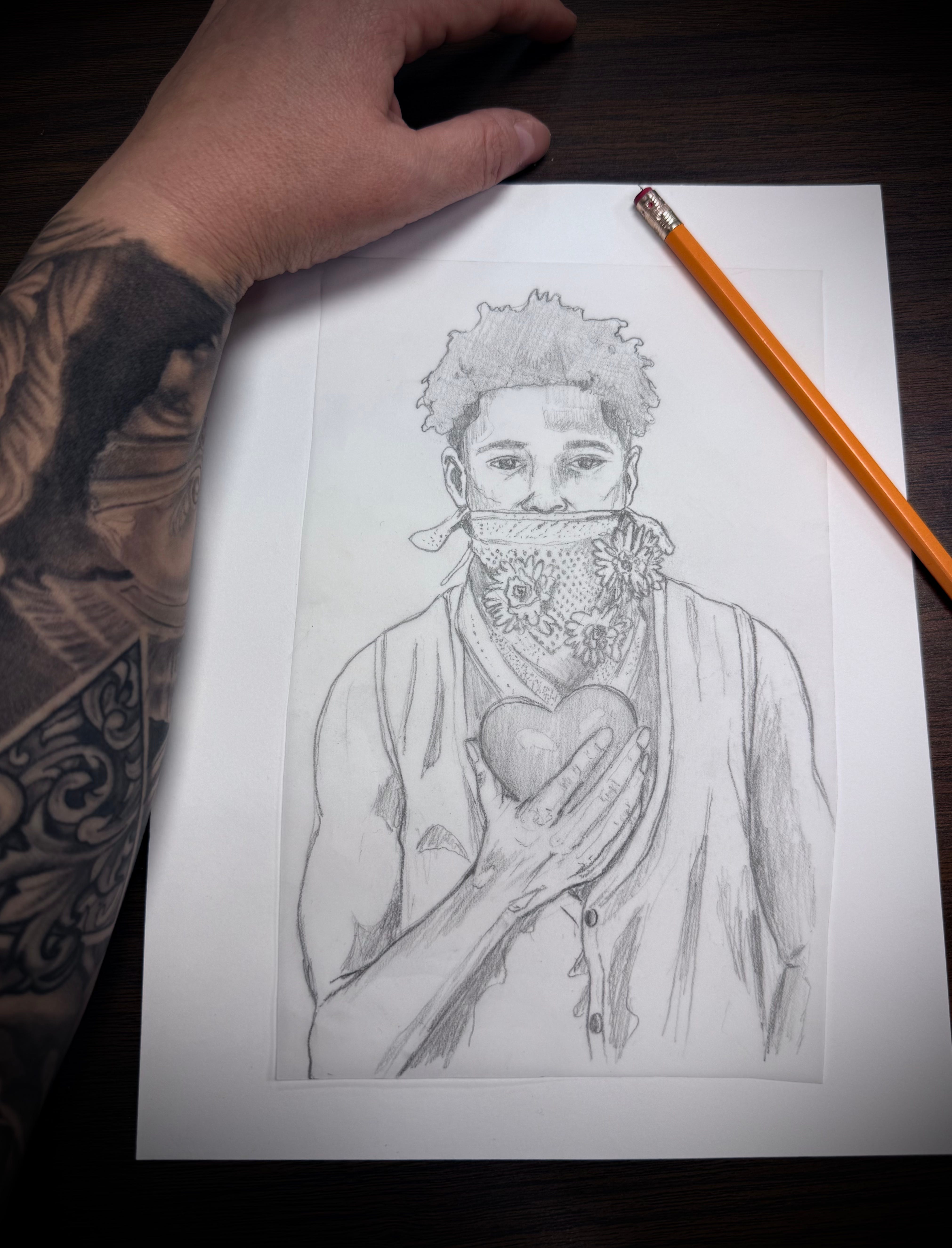
Honesty is not a blade. It is a window.
We have mistaken it for something sharp, something meant to wound or to win. But honesty, in its truest form, is light entering a room we have been afraid to open. It is the soft click of a lock turning. It is the exhale after holding your breath for years. In relationships, in friendships, in the quiet chambers of our own hearts and minds, honesty is less about confrontation and more about permission. It’s the permission to be seen without performance. To say, “This is who I am today,” and to trust that the world will not collapse in response.
In love, honesty is the courage to hand someone your unfinished sentences. It is admitting, “I felt small when that happened,” instead of building a fortress of silence. It is choosing clarity over the temporary comfort of pretending everything is fine. Dishonesty, even the “polite kind”, builds hairline fractures in connection. A “nothing’s wrong” when something is aching. A smile stitched over resentment. These are small betrayals that accumulate like dust in a room no one wants to clean. And one day, the light can no longer get in. The dust has now tarnished every surface.
Friendship asks for a different flavor of honesty, the kind that risks disruption for the sake of depth. The kind that says, “I miss you,” instead of waiting to be missed first. The kind that gently reflects, “That hurt me,” instead of quietly stepping back and calling it growth. Dishonesty in friendship is rarely explosive; it is erosive. It looks like drifting apart without naming it. It’s like a sailboat refusing to anchor and wondering why they are drifting off course. It sounds like laughter that never reaches the eyes. We lose each other not always through conflict, but through what we refuse to say.
But the most intimate honesty is the one we practice alone.
It is standing in front of the mirror, not to critique, but to confess. To admit when we have work to do. To acknowledge when we are tired of being strong. To recognize when we are chasing applause instead of alignment. Self-dishonesty is the most seductive kind because it protects our ego while quietly starving our spirit. We may tell ourselves we are “fine” in careers that dim us, in relationship dynamics that deplete us, in personal habits that harm us. And then we wonder why we feel disconnected from our own lives. Ownership requires authenticity and that comes from honesty within.
As an artist, I have learned that the canvas does not tolerate lies. Paint knows when it is being forced. A brushstroke made to impress trembles differently than one made in truth. When I try to create from a place of imitation rather than authenticity, the work feels hollow, technically sound, perhaps, but soulless. Art demands the same honesty that relationships do. It asks, “What are you really feeling?” and waits patiently for the answer. The most powerful pieces are not the most perfect; they are the most sincere. They carry fingerprints, doubt, longing.
They carry truth.
Dishonesty, in art and in life, is like painting over a crack in the wall without repairing the foundation. From a distance, everything looks intact. Up close, the surface bubbles. Eventually, the structure weakens. In contrast, honesty can feel disruptive and it may require scraping away layers, admitting mistakes, starting again or reworking the structure. But it builds something that can hold weight. It builds trust. It builds intimacy. It builds work that breathes.
Maybe honesty is not about brutal transparency or unfiltered speech. Maybe it is about alignment. It’s the gentle but radical practice of letting your inner world and outer world meet. It is speaking with kindness but without distortion. Life requires for us to be kind, not nice. There’s a difference. Being direct without disrespect. It is loving someone enough to tell the truth. It is loving yourself enough to hear it. Loving others enough to listen. And when we choose honesty, again and again, we become artists of our own lives, brushing away illusion, carving away pretense, shaping something real. Something that can stand in the light without fear.
And perhaps the final tenderness of honesty is this: we are not responsible for regulating another person’s inner weather. We can offer presence, compassion, and clarity, but we cannot carry someone else’s storms without abandoning ourselves. Each of us must learn the sacred art of self-soothing, of sitting with our own rising tides instead of demanding that someone else calm them. Honesty with ourselves becomes the balm. It sounds like, “I am hurt,” instead of “You made me feel this way.” It feels like placing a steady hand over our own heart and asking what it truly needs. When we avoid this inner truth, we search for others to manage what we refuse to face. But if we cannot sit honestly with our own emotions, how can we ask another to trust what we say? What we do? Integrity begins in the quiet space within. It is there that we learn balance. It is there that we take responsibility for ourselves. And from that grounded place, love becomes a choice, not a rescue mission; a meeting of two whole people, each brave enough to feel, to steady themselves, and to speak what is real, even if it hurts.
And this is where the art returns to us, not as decoration, but as testimony. I imagined the man with the bandana covering his mouth, not silenced, but incubating truth. From the place where words have been restrained, flowers emerge, not because he has nothing to say, but because he has chosen to grow something honest before he speaks. The bandana is every time we swallowed our feelings to keep the peace; the blossoms are what happens when we tend to those feelings instead of projecting them. In his hands, he holds a heart in front of his chest, not offering it as a burden, not thrusting it forward in demand, but holding it with responsibility. It is his to care for. His to understand. His to soothe. His to give. The image becomes a quiet manifesto: when we stop expecting others to manage our emotions, beauty begins to bloom from the very place we once hid. Art, like honesty, transforms repression into revelation. It takes what was covered, what was trembling, what was misunderstood, and renders it visible, tender, and alive. The drawing is not about silence; it is about conscious expression. It is about learning that when we hold our own hearts with truth, what grows from us is not chaos, but creation.
Love this✨️